


Automatic Target Trolley Development
Early in 1938, a representative from the War Office Eastern Command arrived at the works of D.Wickham & Company, Ware, Hertfordshire to discuss the possibility of Wickham making a special target carrying trolley for anti-tank gun practice on the artillery ranges in his area.
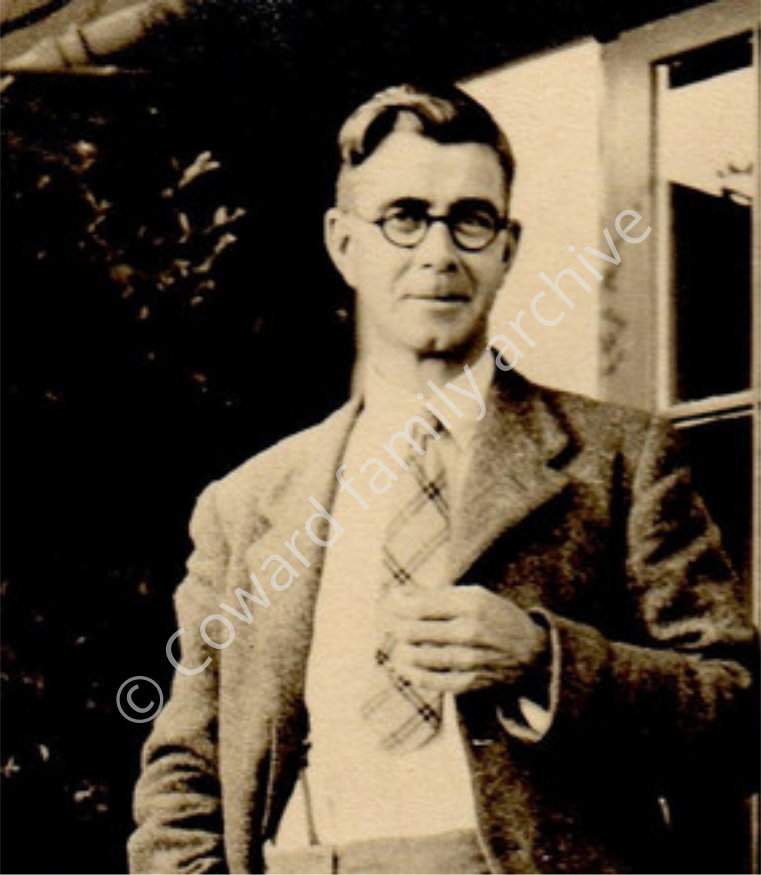 That representative was H. E. R. Coward, Chief Machinist, Royal Engineers, Western Area.
The War Office, mindful of First World War experience when armoured tanks first appeared on the battlefield, realised that should war break out that the British Army would need experience of fighting against tanks and other armoured vehicles which were likely to play a major part in all conflicts.
The Royal Engineers had already set up a narrow gauge railway at Lydd and had established a stationary-engine system to haul truck mounted targets connected by wire rope along the tracks, so that anti-tank gunners could practice firing at tank like targets. However, what they really needed were self-propelled vehickles to carry the targets, which could both group together or spread to replicate the movement of enemy tanks across a battlefield.
The target should be able to accelerate, decelerate and change direction quickly and the question was asked - could Wickham design and produce a trolley for trial purposes?
Their simple answer was yes!
They would work with the Royal Engineers, at the Artillery & Infantry Firing Ranges in Lydd, Kent to create an Automatic Target Trolley that could operate on the existing 2ft gauge railway. The Royal Engineers would modify and extended the railway as needed by Wickham, to facilitate the movement of the new vehicles.
Because there was a likelihood of these vehicles being hit by shrapnel from the shells being fired at the targets, the Trolleys were also to be armoured.
Next chapter: